Viktor Peters · 31 August 2026
Local fields across the Calm Field region have shown a clear surge in biodiversity following the rollout of new conservation rules six months ago. These regulations limit pesticide application, require hedgerow preservation, and offer support for organic transitions. Monitoring teams note rising species counts in insects, birds, and native plants, aligning with Calm Field Living principles that balance farming and habitat protection. Soil tests reveal improved microbial activity and reduced chemical residues.
Wildlife Populations Show Strong Recovery
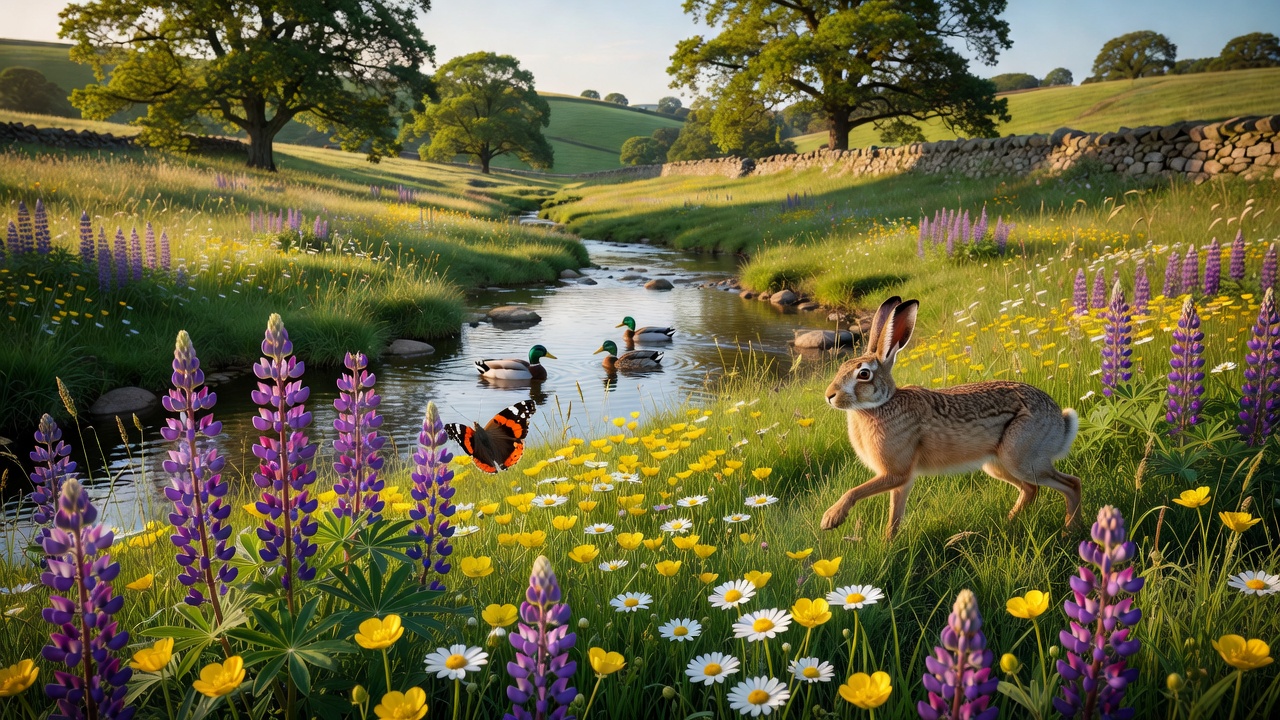
Surveys document a forty percent rise in pollinator species including bees and butterflies. Bird nesting activity has increased for finches and warblers, while small mammals such as hedgehogs benefit from wider field margins. Native wildflowers have reappeared, boosting overall plant diversity by twenty five percent. Water quality in adjacent streams has improved due to lower fertilizer runoff. Farmers report stable or slightly higher yields alongside healthier pastures. These shifts demonstrate how targeted rules restore ecological resilience without sacrificing productivity. Ongoing data collection tracks seasonal patterns and species interactions to refine future guidelines.
Community workshops teach landowners practical methods for maintaining buffer zones and reducing chemical inputs. Participation rates exceed eighty percent among eligible farms.
Regional Outlook and Broader Benefits
Officials intend to extend similar measures to nearby districts based on current results. Economic reviews indicate potential growth in nature based tourism that could supplement farm incomes. The approach offers a replicable model for other agricultural zones seeking sustainable outcomes. Residents remain optimistic that continued adherence will yield further gains in biodiversity over the coming years while preserving the calm, productive character of local fields.