Casey Coleman · 31 August 2026
Local fields in the region have experienced a significant surge in biodiversity following the enactment of new conservation rules designed to preserve natural environments. These rules were put in place to address declining species numbers and habitat loss. Early reports from field observers indicate promising results, with various plant and animal species showing increased presence.
Details of Conservation Rules
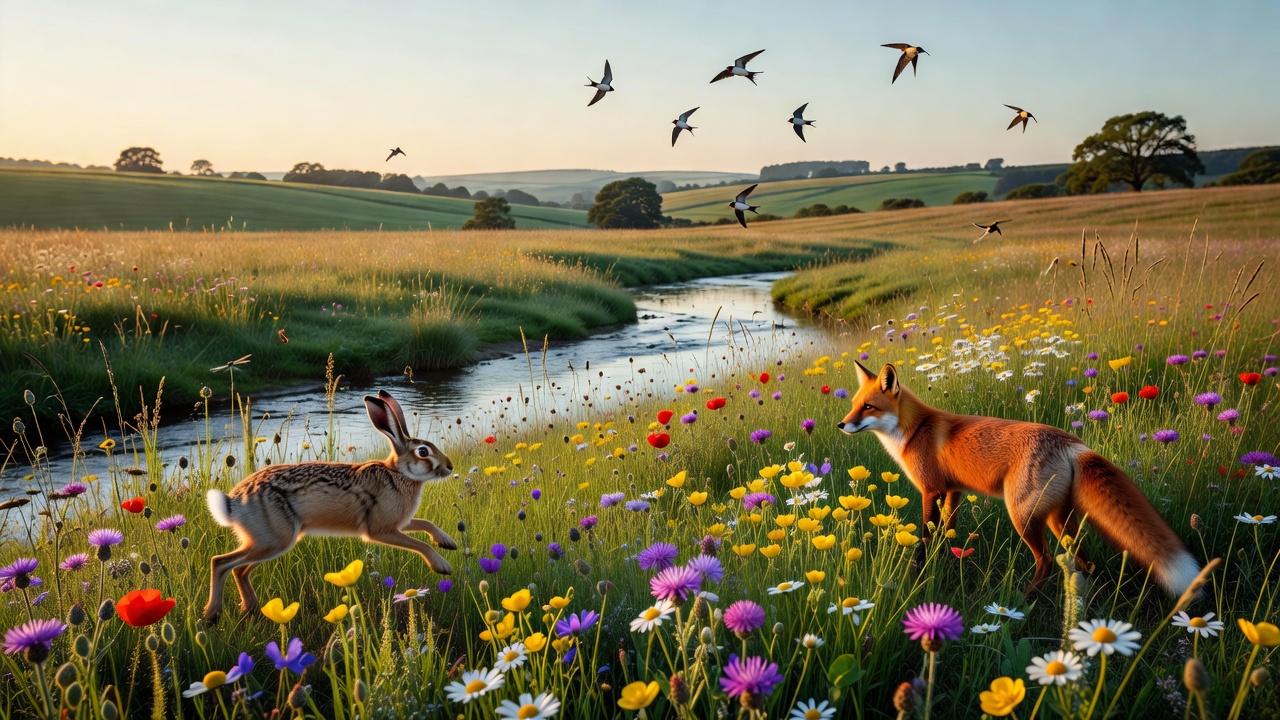
The conservation rules encompass several key strategies. Among them are limits on agricultural expansion into wild areas, promotion of organic farming methods, and the establishment of protected zones for wildlife. Monitoring efforts have documented a rise in the number of native grasses and wildflowers. This has attracted more insects, such as bees and beetles, which play vital roles in pollination and decomposition processes. Bird species that rely on these insects have also seen population growth. For instance, counts of finches and warblers have doubled in some locations compared to previous years. Furthermore, small mammals like rabbits and foxes are becoming more common, suggesting a healthier food chain. Water quality in nearby streams has improved, benefiting aquatic life including fish and amphibians. These changes contribute to the overall goal of sustainable living in calm field settings.
Long-term Implications and Observations
Long-term implications of these rules are being studied by researchers from local universities. Initial findings suggest that the biodiversity increase could lead to more resilient ecosystems capable of withstanding climate variations. Farmers participating in the program have noted benefits such as reduced need for fertilizers due to natural soil enrichment. This aligns with the principles of calm field living, emphasizing harmony with nature. Additional observations include the return of certain endangered plants that had not been seen for decades. Community members are encouraged to report sightings through dedicated apps to aid in data collection. Overall, the surge represents a positive step forward in environmental conservation efforts. The economic benefits are also becoming apparent as eco-tourism increases in the area, bringing new opportunities for local businesses. Visitors are drawn to the vibrant landscapes and the chance to observe wildlife in their natural habitats. This development supports the calm field living ethos by integrating economic activities with environmental stewardship. Continued monitoring will ensure these gains persist and expand.