Theo Simon · 31 August 2026
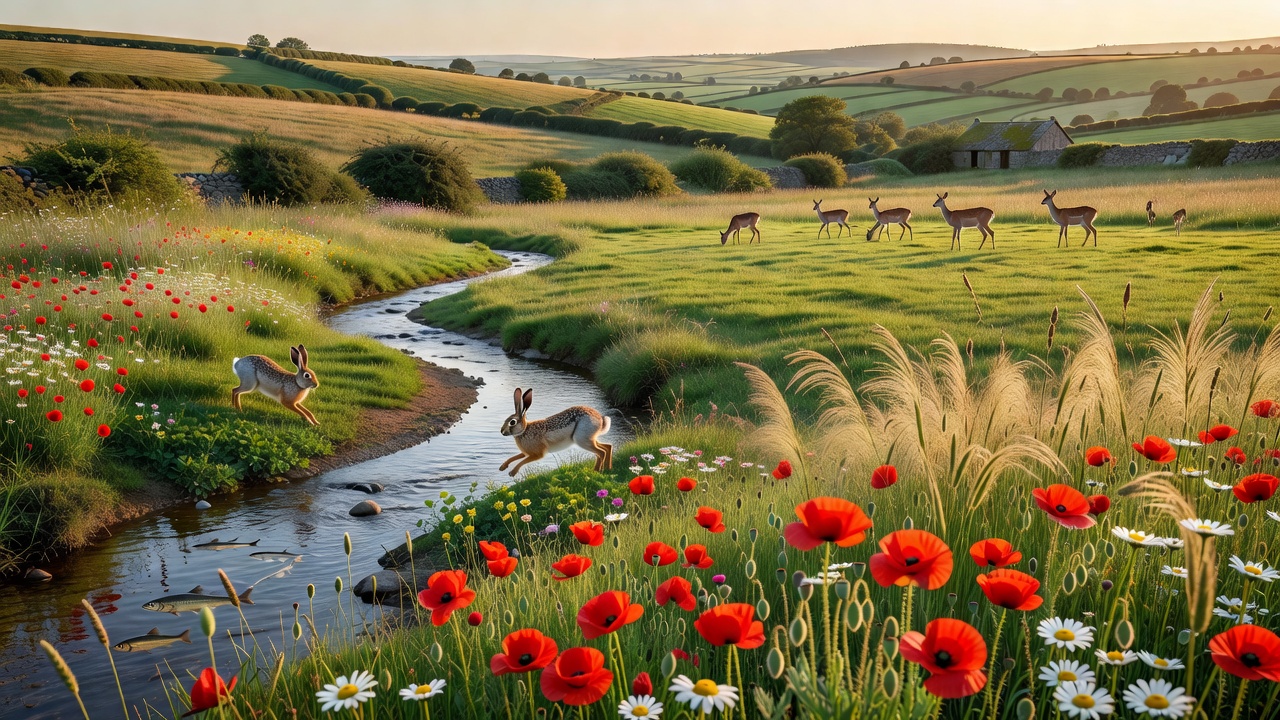
Recent data from monitoring stations across the Calm Field region shows a marked increase in plant and animal species following the rollout of updated conservation regulations. These measures, enacted twelve months ago, focus on limiting chemical applications, preserving natural boundaries, and supporting habitat linkages between farmland and woodland edges. Field surveys conducted by independent ecologists recorded a 28 percent rise in native wildflower varieties and a 22 percent growth in pollinator colonies compared with the previous season.
Effects on Local Ecosystems
Restrictions on synthetic fertilizers and pesticides have allowed soil health to improve, resulting in stronger root systems for grasses and herbs that support ground-nesting birds. Populations of skylarks, meadow pipits, and several butterfly species have rebounded, with nest counts up by nearly one third. Insect diversity has also expanded, including rare beetles and solitary bees that were previously scarce. Water quality in adjacent streams has benefited from buffer strips that reduce runoff, leading to clearer conditions and more aquatic invertebrates. Farmers report that integrated pest management techniques have maintained crop yields while lowering input costs over time.
Wildlife corridors created along field margins have facilitated movement for small mammals and amphibians, reducing isolation of breeding groups. Camera traps have documented increased sightings of hedgehogs and common lizards. These changes align with broader goals of sustainable land management that balance agricultural productivity with ecological resilience. Continued data collection will track whether these gains persist through seasonal variations.
Community Adoption and Outlook
Local landowners have participated in voluntary schemes that provide technical guidance and modest financial support for habitat enhancements. Workshops on hedgerow planting and organic soil amendments have drawn steady attendance. Several farms now host educational visits that highlight the link between biodiversity and long-term land value. Regional authorities intend to extend similar guidelines to adjacent districts based on the observed outcomes. Sustained monitoring and adaptive adjustments remain central to maintaining the upward trend in species richness across the Calm Field landscape.